Steer Your Life
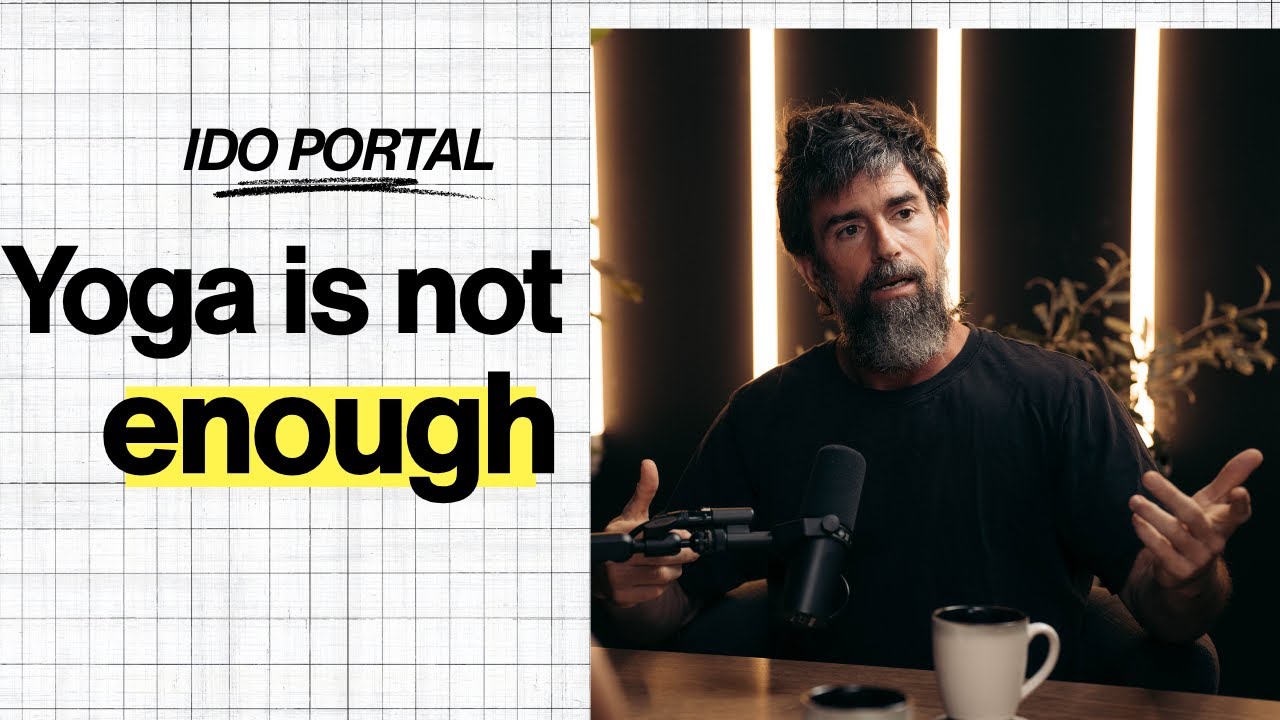
Jonah Kest sits with André Duqum on Know Thyself to unpack Patanjali, Vipassana, and what yoga actually means under the postures.

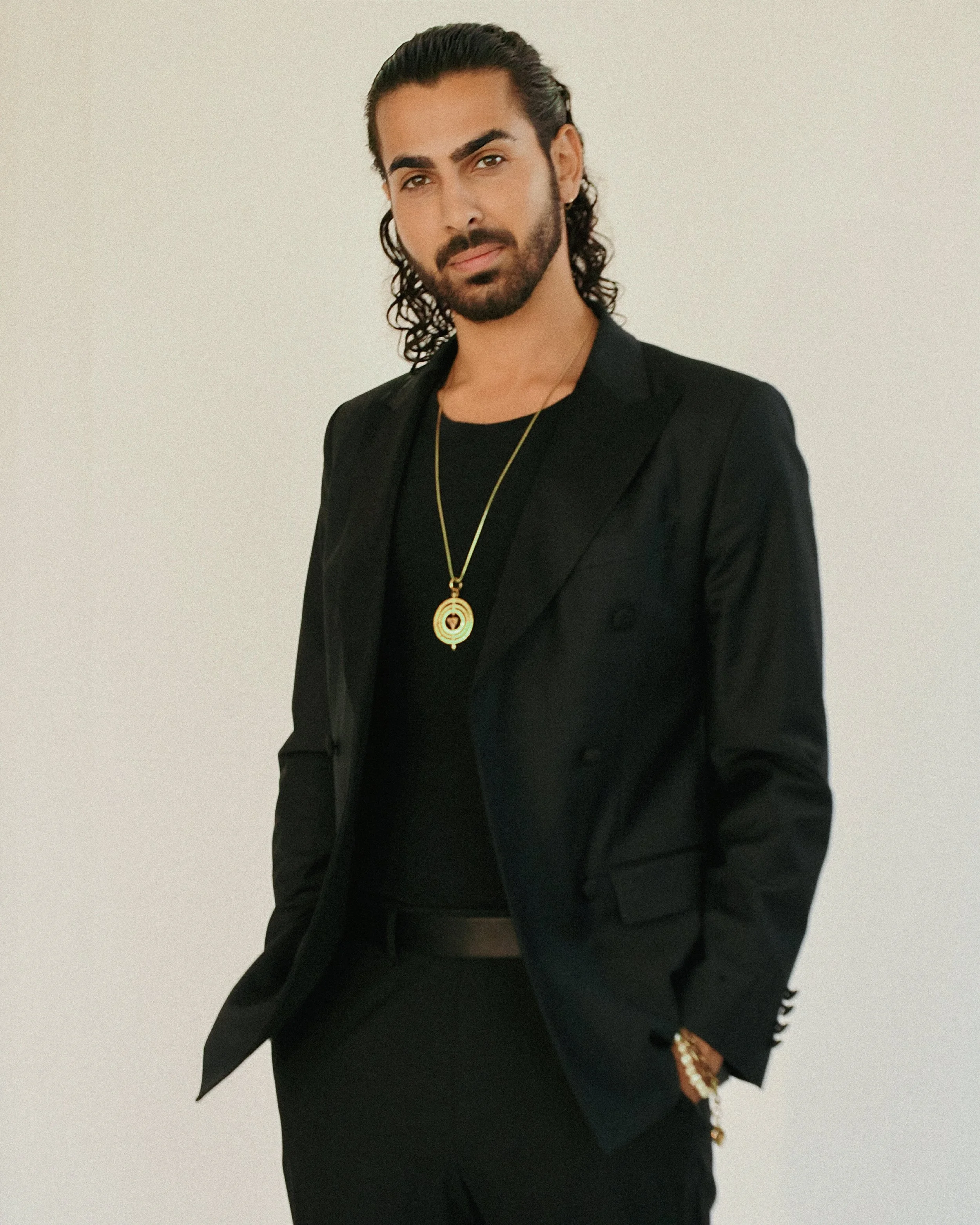
André asks questions like he's already known you for ten years. I sat down expecting to talk about postures. We ended up unpacking Patanjali for two hours.
Yoga before yoga
Most people think yoga means asana. The shapes. The mat. The bendy stuff.
It doesn't. Patanjali wrote eight limbs and asana is one of them. Number three, actually. Before you ever roll out a mat there are five other things to look at. How you treat people. How you treat yourself. How you sit.
I said it on the podcast and I'll say it again here. Yoga means to steer your life to create your reality. That's the etymology underneath all the marketing.
Yoga means to steer your life to create your reality.
— Jonah Kest
Steering means choosing. It means you're not the passenger anymore. The breath is a steering wheel. The way you eat is a steering wheel. Who you spend time with. What you say yes to. All steering wheels. The mat is just where you practice gripping them.
Vipassana and the long sit
I told André about my Vipassana experience. Ten days of silence. No phone. No book. No eye contact. Just sit and watch sensation move through the body.
It broke me open. Not in a poetic way. In a practical way. I came out understanding that every craving and every aversion I'd been chasing for years was just a sensation in the body that I was reacting to. The reaction was the prison. Not the sensation.
That's prana management. That's the doorway from theory into practice. Patanjali tells you what to do. Vipassana shows you how it actually feels in your nervous system. Asana is the warm-up. Sitting is the work.
The Seven Doorways framework I teach came partly from that retreat. Each doorway is a steering wheel. Each one is a place where you can choose differently. Practice isn't linear. Some days the steering's clear. Some days you're white-knuckling the wheel through fog. Both count.
What yoga isn't
André pushed me on this part of the conversation and I'm glad he did. Most of what gets sold as yoga in the West isn't yoga. It's stretching with a candle lit.
I'm not throwing shade at the studios. I love a beautifully held Vinyasa class. I teach them. The shapes are real and the sweat is real and the community is real.
But if all you've done is the asana, you've touched maybe a third of the practice. The other limbs are sitting right there waiting. The yamas — how you treat the world. The niyamas — how you treat yourself. Pranayama. Pratyahara. Dharana. Dhyana. Samadhi. Each one is a steering wheel for a different vehicle.
When students come into our 300hr, this is usually the first reframe that lands hard. Some of them have been teaching for years and never sat with the full eight limbs. Not their fault. The system doesn't teach it. We try to, because skipping it leaves teachers with one tool when they need eight.
Creating your reality, plainly
The phrase "create your reality" gets misused. People hear it and think manifestation. Vision boards. Cosmic ordering. That's not what yoga means by it.
Patanjali means something more grounded. Your reality is the sum of what you pay attention to. Where attention goes, the nervous system follows. Where the nervous system goes, the body builds itself. Where the body builds itself, your life shapes.
So creating your reality means choosing — moment by moment — where you place your attention. The breath is the easiest steering wheel because it's always there. The people around you are another. What you read first thing in the morning. What you say last thing at night. Each one is a small steer.
It's unsexy. There's no shortcut in it. But that's why it works. Yoga as steering means the practice is just the long, patient accumulation of small good choices. Over years. Over decades. Over a life.
André caught that thread and pulled on it. He asked what happens when you steer wrong. I told him this. You correct. You don't quit. You don't drop the wheel. Steering wrong is part of steering. The yogi isn't the one who never veers. The yogi is the one who keeps both hands on the wheel and keeps adjusting. Practice isn't linear. Practice is just refusing to let go of the wheel.
What to take to the mat
- Sit for ten minutes. Don't meditate. Just feel one sensation in the body. Notice when you want to move. Don't move.
- For one day, watch what you say yes to. Notice the ones you wanted to say no to. That's the data.
- Read Patanjali's Sutras 2.29 through 2.32. Out loud. Slowly. Let the limbs land.
Episode markers
- 00:00 — Meeting André, the Know Thyself frame [needs verification]
- 14:30 — What yoga actually means [needs verification]
- 32:15 — The eight limbs in plain English [needs verification]
- 58:00 — Vipassana, sensation, and reactivity [needs verification]
- 1:25:40 — Prana as the daily steering wheel [needs verification]
- 1:48:20 — Seven Doorways, briefly [needs verification]
- 2:05:00 — Closing reflections [needs verification]
Steer or be steered. The mat is where you practice the choice.